

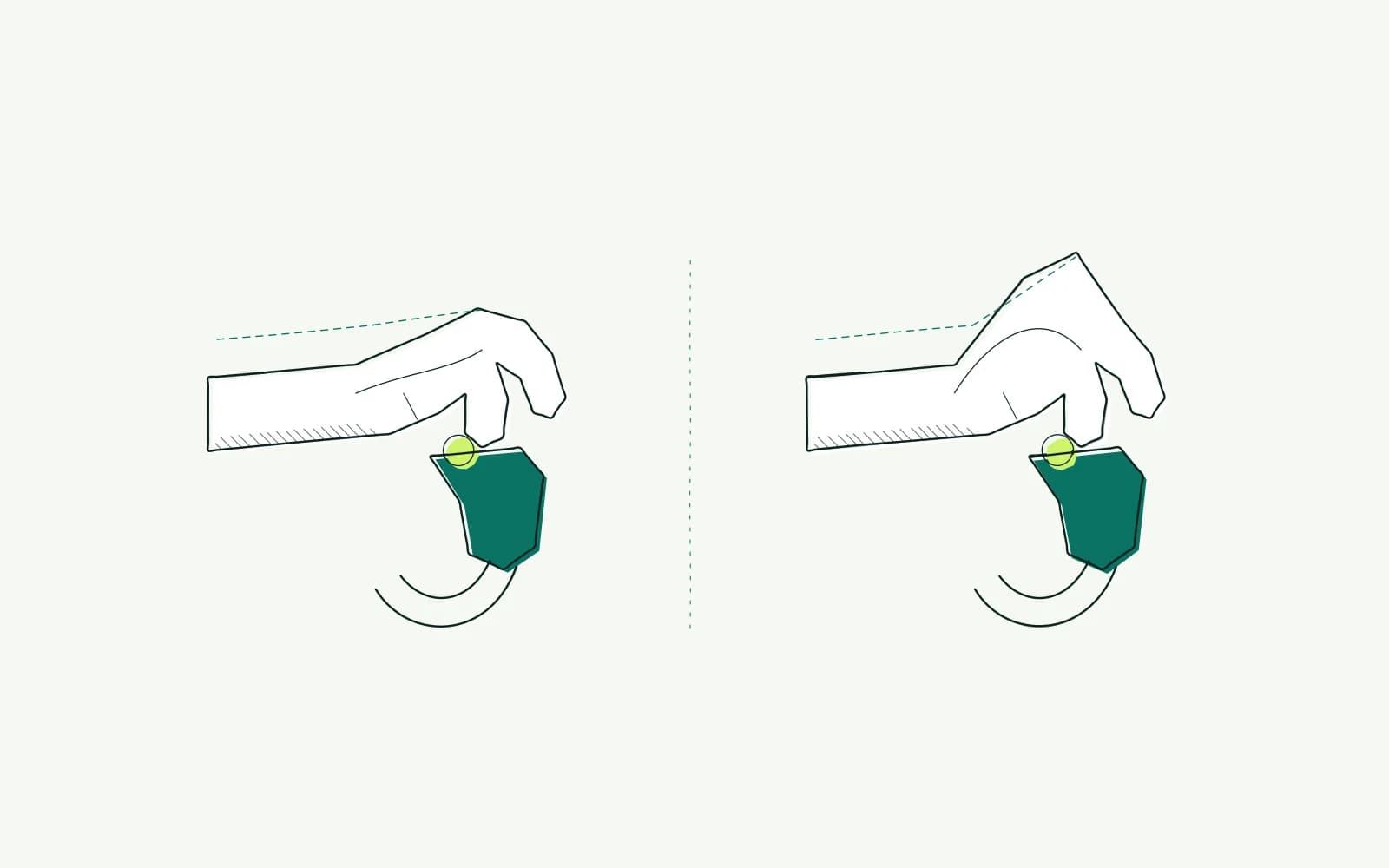
The problem: numb hands cycling
Your fingers begin tingling during a long ride. Perhaps you only notice it on the brake hoods. Your hand feels better in the drops, or exactly the opposite happens.
Sometimes you mainly feel pressure beneath your palm. Sometimes your wrist hurts when you brake.
Those differences provide useful information. Record which hand and which fingers are affected. Note where you held the bar and when symptoms began. Was it on smooth roads, gravel or a descent?
Symptoms that appear immediately need a different discussion from discomfort after an unusually long ride.
You do not need to diagnose yourself. Numbness is not a normal price to pay for a sporting position. Thick gloves may change the sensation, but they do not explain why you lean so heavily on the bars.
This guide helps you examine your setup systematically. Have symptoms assessed if they persist.
Background: pressure, wrist position and handlebar reach
Your hands steer, brake and carry part of the load. How that feels depends on several components. Consider handlebar distance, the shape of the brake hoods and your position on the saddle. Fatigue and vibration also change how firmly you grip the bars.
Distant bars may encourage you to straighten your elbows. Your wrist may then bend backwards. Higher bars do not automatically mean less hand pressure. If you slide forwards on the saddle, the load keeps changing.
Look at the whole position before buying a different stem.
The brake hoods are important contact surfaces themselves. Their angle and location affect how your hand rests on them. A hood that feels pleasant while stationary may be less usable under braking. You need to operate the brake lever safely without holding your hand at an awkward angle.
According to British Cycling on hand and wrist discomfort, local pressure can accompany tingling and numbness. That does not establish the cause in your case. Gloves, bar tape, road surfaces and previous symptoms can also matter. Symptoms away from cycling are relevant too.
A photograph shows your position at one moment. It cannot measure pressure or tell you how your hand feels later. A calculator cannot identify which structure is sensitive either. Use online information to prepare a focused question.
Then compare your experience during an easy ride, rather than judging only how the bike looks.
How to approach it with bike fitting
-
Record your starting point: Stand your bike upright and photograph the bars from the side. Use a tape measure to record the distance from the saddle nose to a fixed point on the hood, in millimetres.
Also record stem length and spacer height. Use exactly the same measuring points next time. Record symptoms separately; a distance is not a comfort score.
-
Check your reach without loosening anything: Hold the hoods as you would during an easy ride. Check whether your fingers can reach the brake levers comfortably. See whether your wrist roughly follows your forearm.
Do not force your wrist straight while tightening your shoulders. Ask someone to take a side photograph while you stand safely.
-
Separate possible causes: If pressure mainly appears on rough surfaces, record that alongside tyre pressure and gloves. If you keep sliding forwards, include saddle position in your discussion. Use the bike fit calculator to organise your starting measurements.
Its result is a starting point for checking your position, not a treatment for numbness.
-
Choose one small, reversible change: There is no safe standard correction of a particular number of degrees for every wrist. Ask a fitter whether hood position, bar height or handlebar distance deserves attention first. Record the agreed change in millimetres or degrees and keep a record of the old position.
Follow the component manual and specified torque during assembly; have uncertain mechanical work done by a professional.
-
Test within clear limits: Compare one change over two to three easy, similar rides, provided you remain symptom-free. Keep the route, gloves and effort as consistent as possible. Record when discomfort appears and whether braking and steering stay normal.
Stop when numbness or pain develops; the testing schedule is not a reason to keep riding. If things worsen, return to the safely recorded starting position and seek help.
-
Recognise when adjustment is not enough: Discuss persistent or recurring numbness with a clinician. That also applies to weakness, radiating tingling, swelling or pain at rest or during the night. If ordinary position-related pain persists after three to four careful adjustments, consult a fitter and, where appropriate, a clinician.
Do not wait for all those adjustments before seeking help for lost sensation.
Further reading
- Stem length explains how to measure handlebar distance without using saddle position as a quick workaround.
- Gravel bike fit helps you assess hand position and reach on surfaces that create more vibration.
- Saddle pain cycling: support, pressure and friction discusses why saddle support also affects your position on the bars.
- Online bike fit limitations helps you choose between measuring yourself and arranging a supervised assessment.
- The bike fit calculator brings your measurements together so you can prepare for your next position check.
Frequently asked questions
Should I buy different gloves immediately?
That does not have to be your first step. Record where pressure develops and how your hands rest on the hoods. You can compare gloves on a short, easy ride. Do not use extra padding to tolerate numbness.
Changing equipment alone is insufficient when symptoms keep returning.
Is a shorter stem always better for my hands?
No. A shorter stem changes your reach, but does not automatically address the cause of hand pressure. Hood position and support on the saddle matter too. Have the proposed change assessed, then check steering as well.
A small change in distance may feel different from what you expect.
Can I simply move my hands more often?
Changing hand positions regularly can feel pleasant during normal rides, provided you can brake and steer safely. It does not resolve persistent lost sensation. If you constantly move to suppress symptoms, record that pattern. Discuss recurring numbness with a clinician and your position with a fitter.
What should I bring to a fitter or clinician?
Bring notes about the location, duration and circumstances of your symptoms. Add photographs and your original setup measurements. Mention symptoms away from cycling or any loss of strength. That avoids asking someone to understand your problem from a stationary position alone.
This guide covers one part of your riding position. Read how bike fitting connects your measurements and bike setup.
Record your measurements and use them as the starting point for a focused position check.
Calculate your bike fit