

Why bike fit matters
Let your bike fit you.
Most riders do not need a new bike to feel better and ride more confidently. They need a position that matches their body, flexibility, goals, and the terrain they ride. A proper bike fit turns vague problems into measurable adjustments in millimeters and degrees, then confirms those changes on the bike.
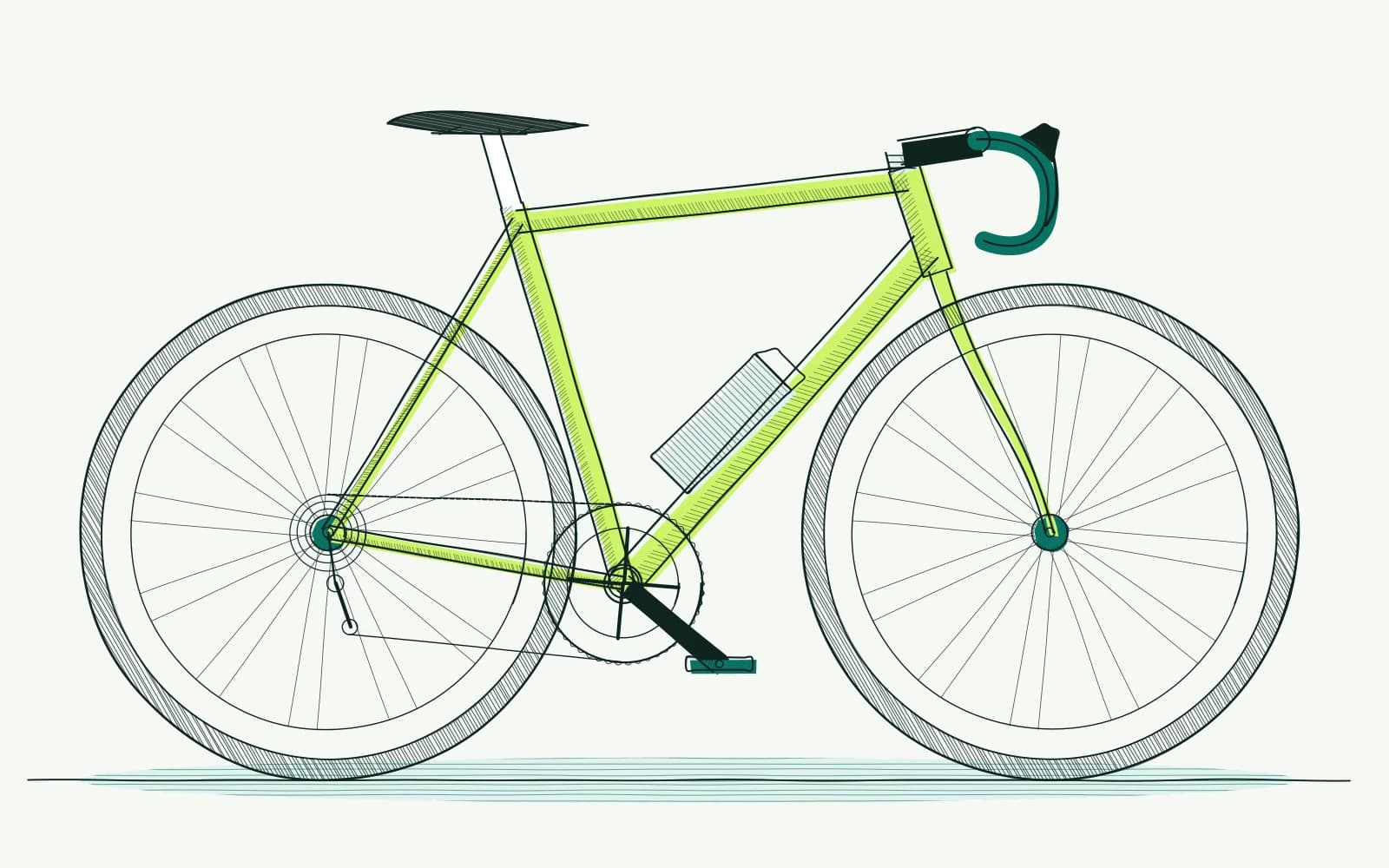
Why a bike fit works
A bike fit is not magic. It is biomechanics and basic physics applied to three contact points:
- Feet (cleats, shoes, pedals)
- Pelvis (saddle height, setback, tilt, saddle choice)
- Hands and upper body (reach, drop, bar shape, hood position)
If one of these contact points is wrong, your body compensates. Compensation is what creates many recurring issues: numb hands, knee pain, hot foot, neck tightness, low-back fatigue, unstable descending, and flat-feeling power on climbs.
Small adjustments matter because the body repeats the same movement thousands of times per hour.
Where a good fit can help.
Reduced pain and overload
Many riders start from a "tolerance-based" position. A fit reduces unnecessary joint stress by aligning the knee-ankle-hip chain and stabilizing the pelvis.
Typical wins:
- Less anterior knee stress from saddle height and cleat changes
- Less low-back strain from correcting reach, drop, and pelvic control
- Fewer numb hands from better weight distribution and hood position
Better power transfer without forcing an aggressive posture
Comfort and performance are not opposites. The goal is to keep you stable so you can push power without sliding, rocking, or bracing through the shoulders.
When the pelvis is stable and the feet are supported, the pedal stroke becomes more even and efficient.
Better control and confidence
Handling improves when your center of mass is balanced between saddle and bars.
- Descents with more control and less nervous steering
- Rough surfaces with less bouncing and more stability
- Long rides with less fatigue-driven wobble
A position that matches your terrain
A good fit is not one fixed setup for everything. The position should change with your riding style:
- Mountain or technical riding: more stability and more room to move
- Endurance: comfort-first and sustainable reach
- Performance or race: more aerodynamic while keeping the hip angle workable
- TT or triathlon: very aero, but sensitive to saddle position, hip angle, and cockpit length
Clarity through repeatable numbers
A proper fit produces exact values in millimeters and degrees so you can:
- Rebuild your position after travel or maintenance
- Replicate it on a new frame
- Fine-tune for different bikes such as road, gravel, or indoor setups
What actually gets adjusted in a bike fit
A fit typically covers:
What gets adjusted
- Saddle height (mm)
- Saddle setback (mm)
- Saddle tilt (degrees)
- Handlebar reach (mm)
- Handlebar drop (mm)
- Stem length suggestion
- Crank length suggestion where relevant
- Cleat position
- Frame size range based on stack and reach
Common principles
Methods and principles commonly used, depending on rider and goal:
- LeMond as an inseam-based starting point for saddle height
- Holmes as a knee-angle validation check
- KOPS as a reference point for knee and pedal alignment, not a one-size rule
- Stack and reach for frame selection and cockpit balance
When you should consider a fit
A fit is worth considering if you recognize any of these:
Continue with the page that supports your next fit decision
Personal recommendations
Start your free bike fit today
No guesswork. No generic tips. Review fit guidance matched to your body and riding goals.